










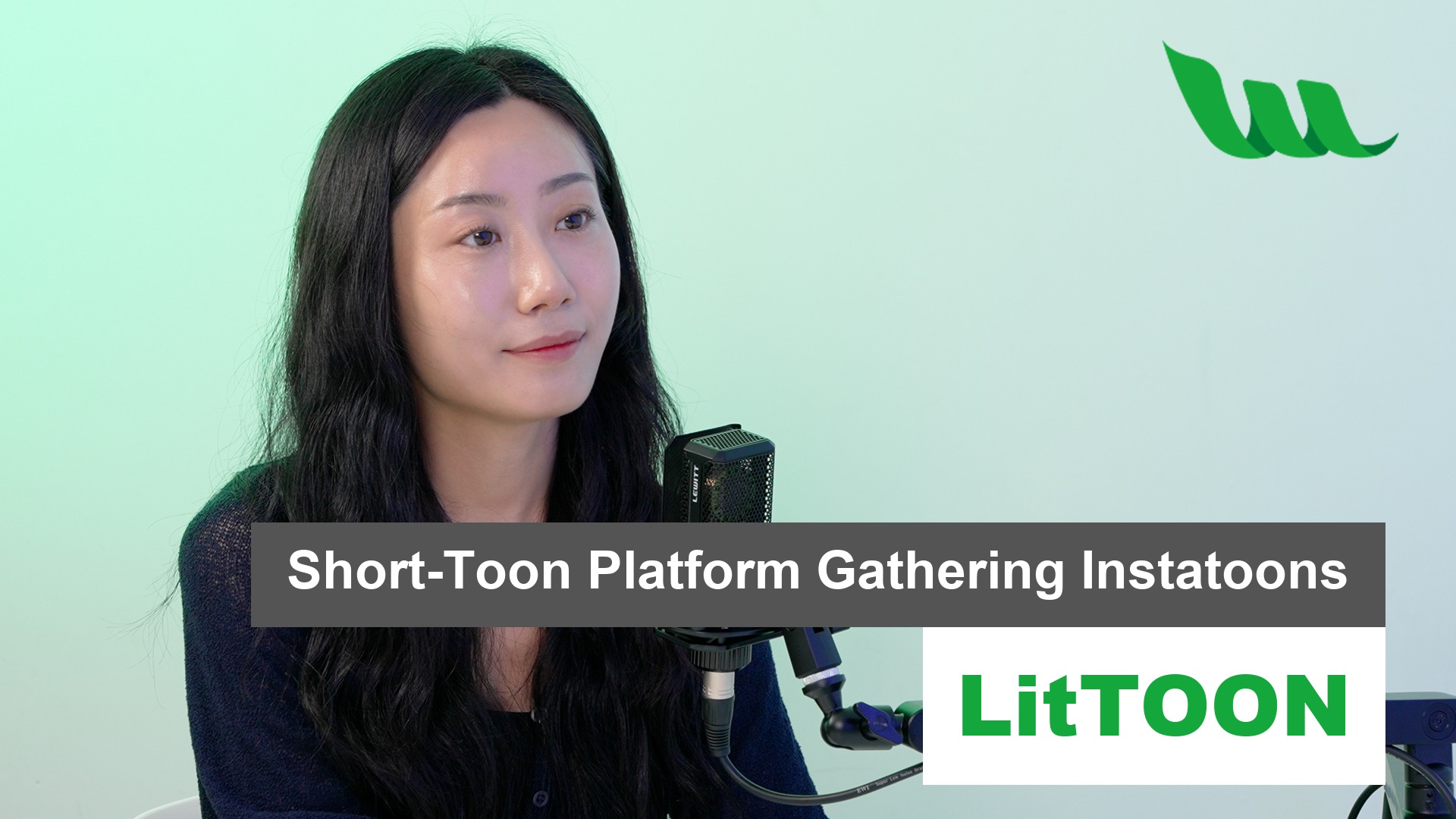
LitTOON, a Korean platform dedicated to short webtoons, is preparing to raise USD 152,000 (200 million won) in seed funding in Q4 2026.
As the short-form craze spreads to comics, short webtoons of fewer than 20 panels, known as “shorttoons” or “Instatoons,” have become a genre of their own on Instagram.
The single hashtag “Instatoon” alone brings up 2.72 million posts on Instagram, so there is no shortage of content. Instead of fantasy or romance, the stories tend to be grounded in everyday life, such as tales about mothers-in-law or married life, and that relatability is what draws readers in. Everyday-life comics were once strong in the webtoon market, but as genre titles have taken a bigger share, Instagram shorttoons have been filling that space.
The problem is a structural limit that comes from this content being consumed only inside a social network. Creators spread their work across YouTube, Threads, Naver and other channels, so readers are not sure where to binge a series, and when personal posts and webtoons are mixed in one account, the context of the work is easily broken. On top of that comes a feeling specific to Instagram: people hesitate to follow such accounts because they don’t want their friends to see their tastes. As a result, shorttoons are widely read but have rarely turned into fandoms or revenue.

LitTOON is a platform dedicated to shorttoons that targets this gap. Where existing platforms such as Naver Webtoon are serialization spaces centered on professional artists, LitTOON bills itself as an open platform where anyone can present their work, from women returning from career breaks to office workers who draw on the side to professional artists who want to try something new. CEO Haetnim Park cites two key reasons for founding the company. She had worked as an ad agency staffer and brand designer, collaborating with Instatoon artists, and she watched a colleague succeed with Instatoons and quit the company. She also noticed that while webtoon-related university programs and aspiring creators keep growing, the door to debuting as a professional and getting a serialization slot is still narrow. “Even if you want to become a webtoon artist, there are few opportunities to show your work to readers and have its potential tested,” Park said. “I felt we needed a gateway where people can discover and binge shorttoons outside Instagram, and where new artists can meet readers, grow and move on to become professionals.”
LitTOON was incorporated in September 2024, officially launched its app (Android and iOS) in November 2025, and expanded to the web in June 2026. More than 700 artists are now active, and user growth has accelerated since the web service opened in June 2026. Monthly active users (MAU) rose from about 3,300 before the web launch to more than 35,000 in August, a more than tenfold increase, and the company says growth has continued at a steady pace since. After a pilot test in August, LitTOON has been pursuing a full-scale artist-advertiser matching business since September. The company is supported by the Pangyo Hub Value-up Package program, run by the Pangyo Gyeonggi Culture Creation Hub of the Gyeonggi Content Agency, which helps startups explain their services and growth potential in the language of investors.
What kind of service is LitTOON?
LitTOON is a shorttoon platform that gathers short webtoons scattered across social media in one place. Naver Webtoon is typically a space where professional artists serialize their work. LitTOON is mostly amateur artists, and it runs as an open platform where anyone can upload.
“Shorttoon” may be an unfamiliar concept. What exactly is it?
Many people know them as “Instatoons” on Instagram, which is why so many works there are under 20 panels. The single “Instatoon” tag alone has 2.72 million posts, and a huge amount of content is piled up under other tags such as “aspiring Instatoon artist” and “daily-life toon.” The creators range from people who started drawing their daily lives as a hobby, to people balancing a day job with creative work, to new artists building their own characters and stories, to professionals experimenting with new subjects and formats. We have creators from many backgrounds, from students and office workers to artists with visual impairments, and their ages run from their teens to their sixties.
Shorttoons are already popular on Instagram. Why did you need a separate platform?
Because artists’ works are consumed in many places beyond Instagram, such as YouTube, Threads and Naver, readers can be confused about where to go to see a given work. And when artists post on Instagram, their personal lives and promotion get mixed together. Even if they want to post several works, the flow doesn’t carry on within a single account, and the context often breaks. Another characteristic of Instagram is that people tend not to follow Instatoon-type accounts, because they find it uncomfortable for acquaintances to see their tastes. That inevitably weakens the link to building a fandom, which was a shortcoming.
What kind of content is mainly posted in shorttoons?
Mostly daily-life and romance works. Even the romance isn’t fantasy-style like in other webtoons. The most popular stories are the ones people can really relate to in real life, for example stories about a mother-in-law or married life, which are close to everyday experience. These subjects have actually shrunk in share on other webtoon platforms. Early on, everyday-life works such as “Voice of the Heart” were hugely popular, but their share gradually fell as more genre webtoons appeared, and you could say Instatoons are now filling that demand.
What led you to start the company?
I worked as an ad agency staffer and brand designer. I was on a new-business strategy team and did more than 20 brand launches. Along the way I often collaborated with Instagram artists, and I even ran a brand project that brought Instatoon artists on board to strengthen the bond between mothers and children. The decisive moment was different, though. A department head at my company started Instatoons, did well, and quit his job. If this was a profitable enough market for someone to leave a big company and become an artist, I became convinced we could win by turning it into a platform.
How has the service grown?
It started in May 2024 when we were selected for the Pre-Startup Package, and we incorporated in September. Development began in August, and we built the first MVP in December, then met with artists internally to test pain points. We judged that we couldn’t launch in that state, so we rebuilt the entire service with funding from our selection for the Youth Startup Academy program in 2025, and ran much more detailed user testing with about 103 people. We then launched the Android and iOS apps at the same time in late November 2025, and expanded to the web in June 2026.
How are you recruiting artists?
About a year before the app launched, we started holding information sessions and meeting artists in person to share LitTOON’s direction and vision. We didn’t just recruit artists as launch approached. We kept communicating and building trust from the time the service was being made. After that, we kept the relationship going through launch-artist interviews and press coverage, and we held our first launch event with about 100 of the artists who stuck with us. Artists were very satisfied, and as that experience and word of mouth built up, responses to our outreach by DM and email became more positive. The actual response rate has risen from around 5% at the start to more than 30% recently.
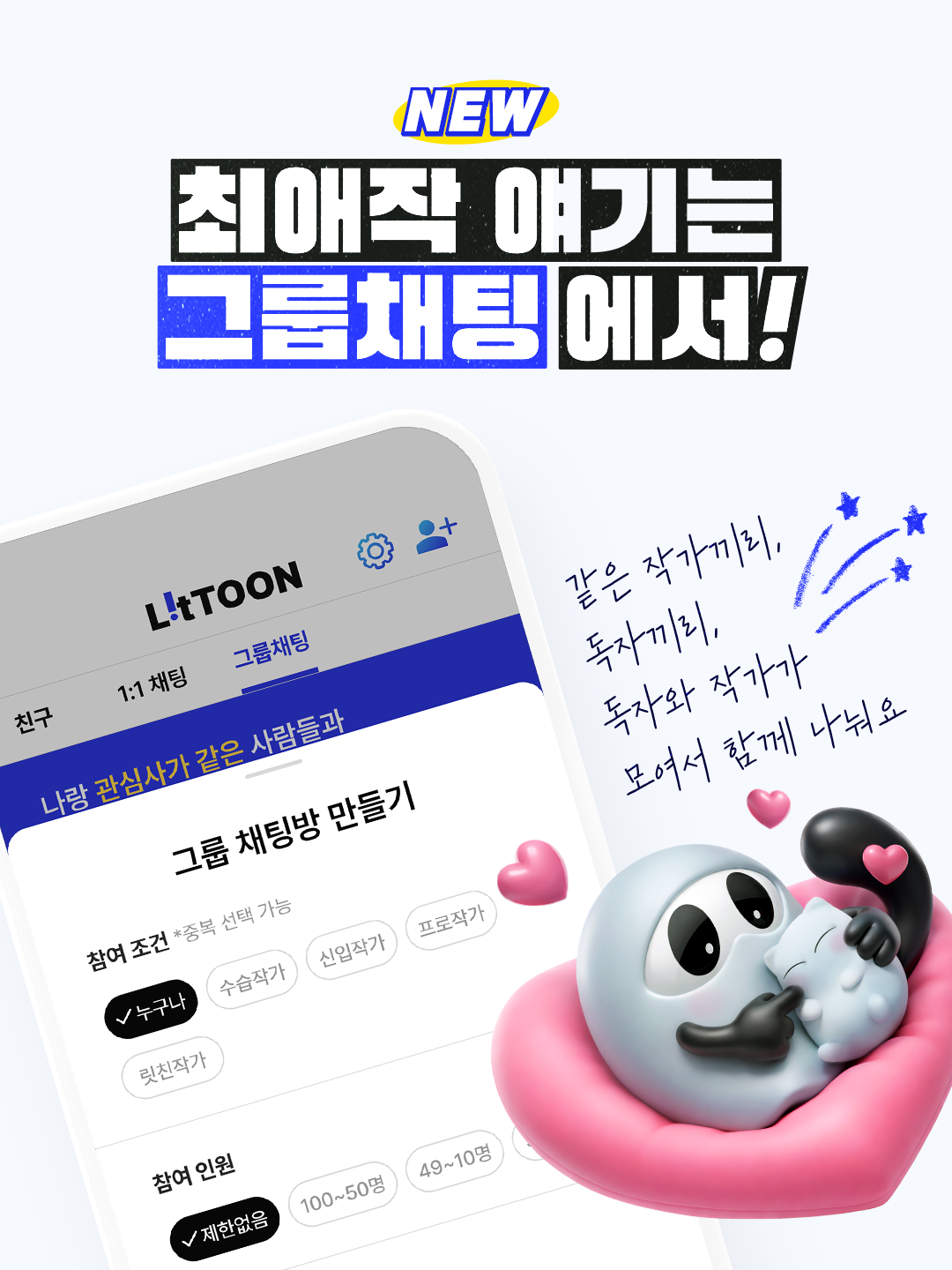
More than 700 artists are active now. We divide artists into four tiers, from new artists to pro artists to “LitChin” artists. Artists are promoted automatically up to the pro tier based on the number of posts and works, while the top-tier LitChin artists are ones whose IP stands out and whom we personally approach to serialize with us. We also put a lot into communication, running everything from one-on-one chats to group chats, and if an artist uploads something incorrectly, we guide them directly by DM.
What results can you share so far?
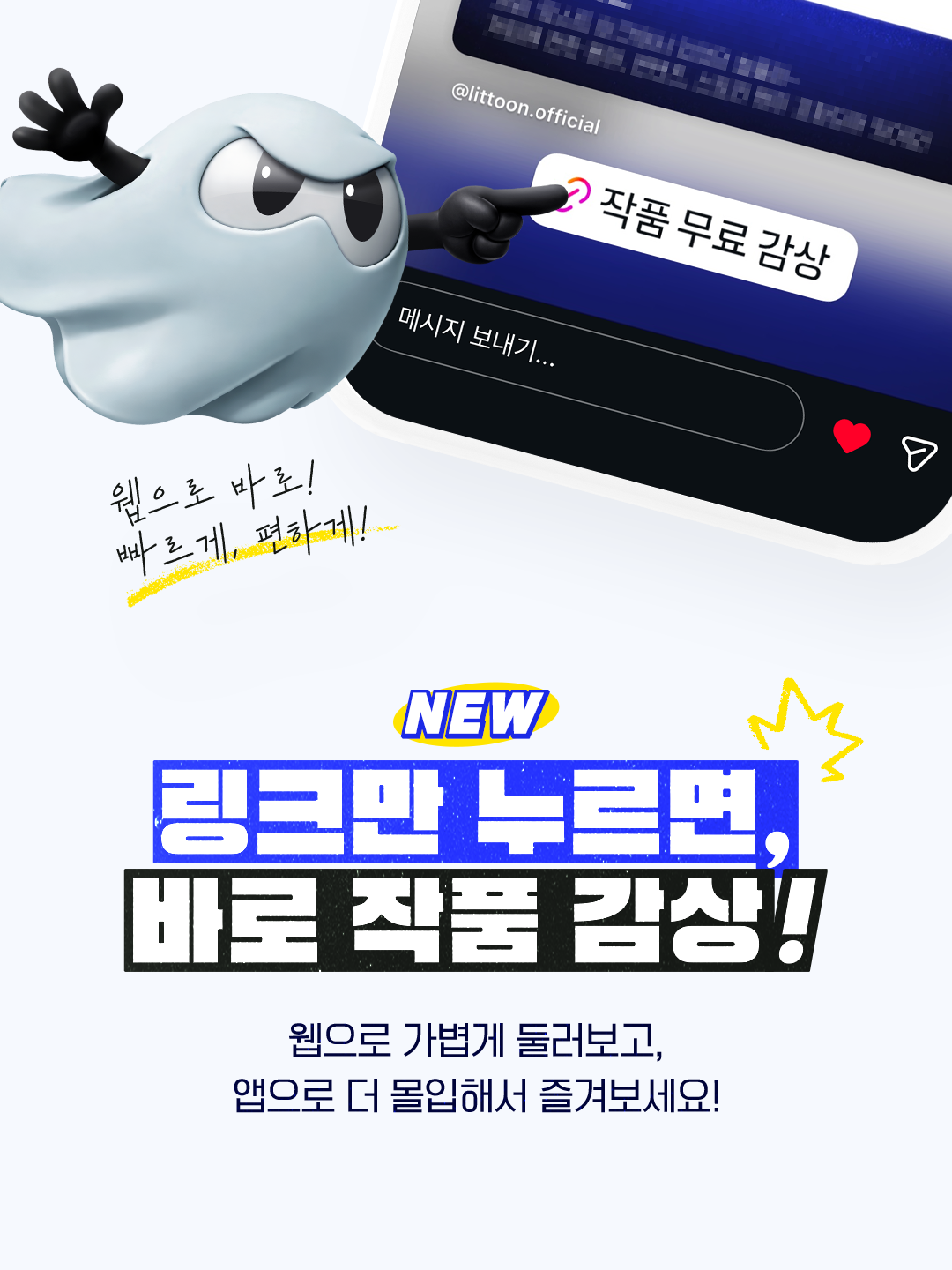
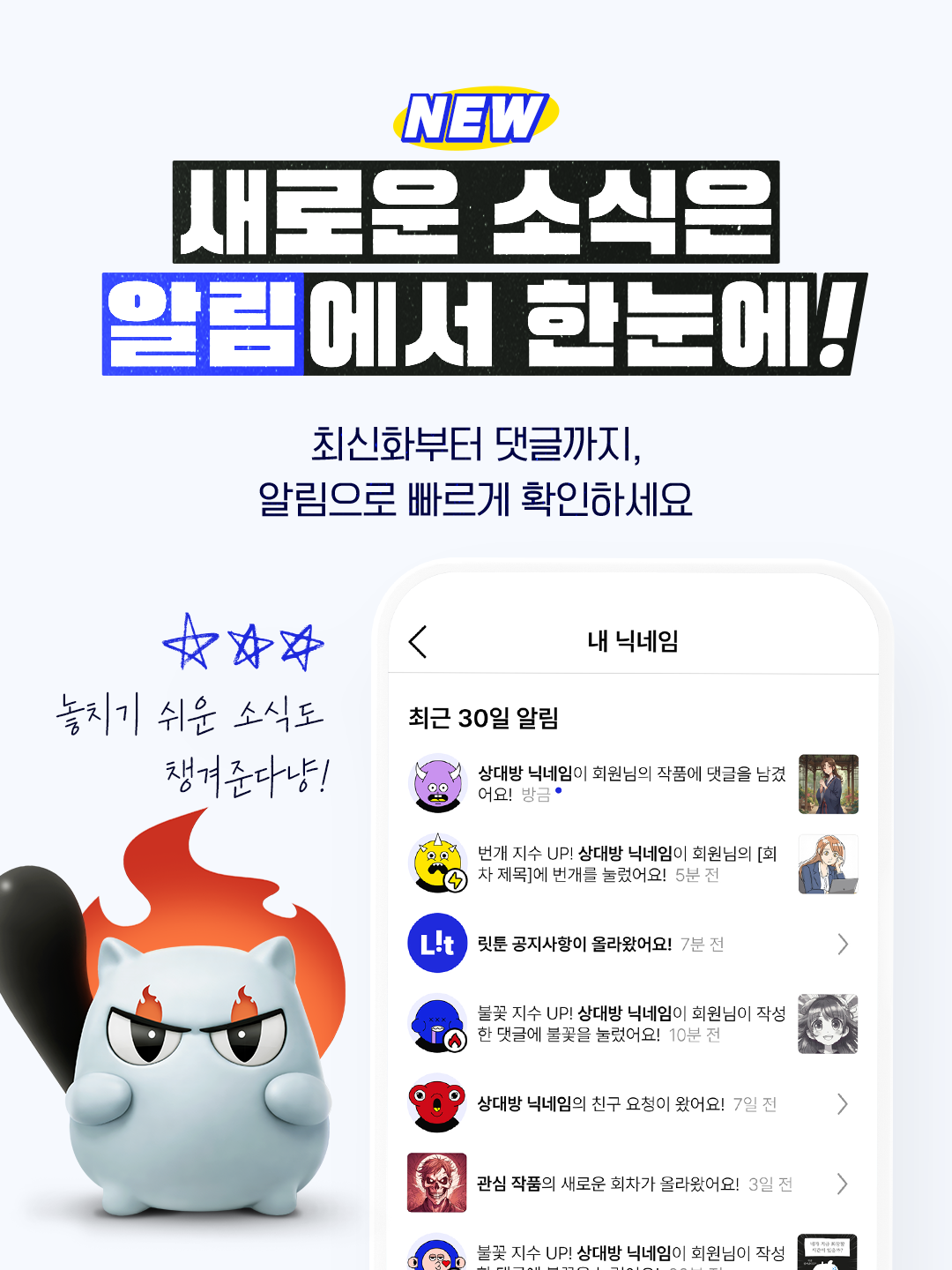
Seven months after launch, we have more than 700 artists, more than 1,300 works and more than 10,000 episodes. User growth has especially accelerated since the web service opened in June 2026. MAU rose from about 3,300 before the web launch to more than 35,000 in August, a more than tenfold increase, and has kept growing steadily since. In terms of inflow, many artists put a deep link to their LitTOON author room on their own Instagram accounts. Some upload exclusively to LitTOON, while others post on both Instagram and LitTOON. The response has been good: one artist even held a Starbucks gift card event out of her own pocket and gave gifts directly to readers who left LitTOON reviews.
How are you preparing the revenue model?
We judged that our artist pool is now reasonably solid, so we are focusing on a business that connects artists and advertisers. We ran a pilot test in August and have been pursuing it in earnest since September, expanding matches between advertisers and artists. Such deals are usually not one-off ads but often turn into annual contracts because of the need to keep the art style consistent, and many artists find it daunting to negotiate that on their own. So we plan to play the role of matching artists and advertisers based on genre, subject matter, communication history and similar criteria.
We are preparing various ad formats too: weaving a product naturally into the story, showing it on the last page, or creating entirely new content to explain a product. We have also opened a support (tipping) feature, and we are preparing a commerce feature that lets readers buy artists’ derivative goods, such as dolls and brushes, directly within the app.
How do you see the competitive landscape?
It’s not that there are no similar competitors in the shorttoon category. We see two as the most similar: one that has long run a creator community, and one that launched a similar platform around the same time as us. The large webtoon platforms have also tried various short-form content, but we believe existing webtoons and shorttoons differ in the makeup of their creators and in how content is consumed.
Rather than shortening existing webtoons, LitTOON focuses on connecting shorttoon creators and content that are already growing organically on social media into a single platform. Because of this difference in approach, we currently see the large webtoon platforms as a relatively low threat rather than direct competitors. Compared with a year and a half ago, when we were just starting out, I feel the market itself has grown noticeably. The number of people who read webtoons through Instagram is indeed growing fast. According to the cartoon industry white paper of the Korea Creative Content Agency, Instagram’s webtoon usage rate rose from 5.9% in 2021 to 11.5% in 2022, 13.6% in 2023, 20.9% in 2024 and 23.9% in 2025.
That is roughly a fourfold increase in four years. In 2024 it overtook Kakao Webtoon for the first time, and the trend continued in 2025, with Instagram at 23.9% and Kakao Webtoon at 21.0%. When we first held information sessions to recruit artists, we spent a lot of time explaining what a shorttoon is and why this content could become a market. Now many people understand the concept of shorttoons or Instatoons naturally, without long explanations. Beyond the usage figures, the perceptions of the artists and users we meet in the field tell us shorttoons are quickly becoming a familiar content format.
What are your fundraising plans?
We have not raised outside funding yet, and we are working hard to meet investors and prepare for a round. This year, we plan to first build an investment track record with a relatively small amount through LIPS (a startup investment-linked support program in which the government matches a private operator’s initial investment with commercialization funds), and next year we aim to secure TIPS in the first half.
What kind of help are you getting from the Gyeonggi Content Agency (Pangyo Hub)?
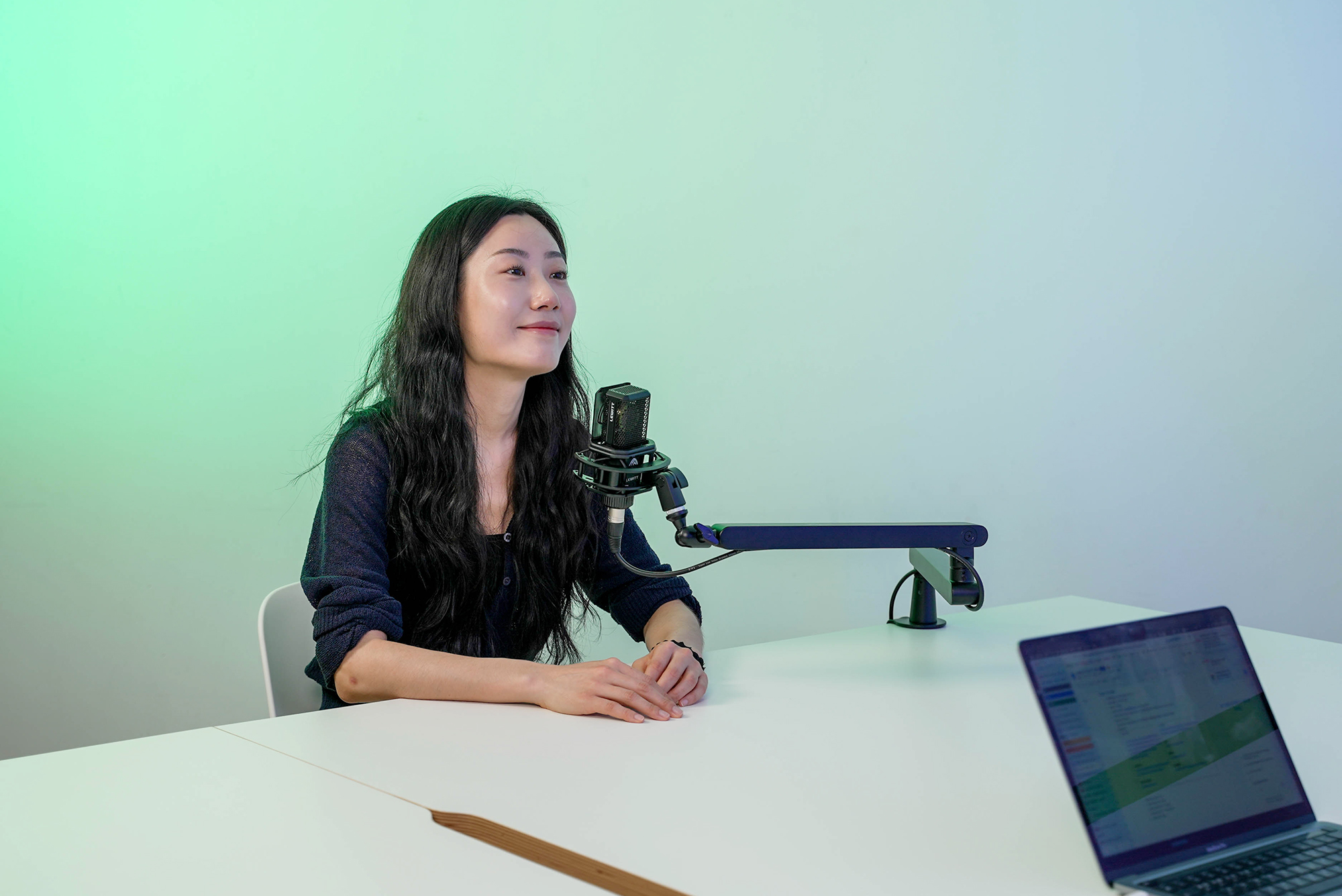
We first connected with the Gyeonggi Content Agency through its 2025 Level-up program (seed track), and that led to an introduction to its accelerating program. Now, through the Pangyo Hub Value-up Package program, we are shooting interview videos like this one and continuing to get opportunities to meet other investors and companies.
Finally, what would you say to investors about LitTOON’s competitiveness?
Our team has key people in each area, so we can handle most of the work in-house: a CEO with hands-on experience on design and strategy teams, a marketer who was previously a team lead at a webtoon platform and a division head at a content company, and a full-stack developer who led the development team at a Series A startup. And LitTOON is not just a platform that collects and displays shorttoons. Our goal is to connect the whole process in one platform: creators upload works and meet readers to build fans, earn revenue through support, advertising and commerce, and promising IP expands into larger markets. For now, we are quickly building up the creators, content and user data that form the foundation. With that data, we will be able to discover competitive IP and expand into various businesses, so please see us as a company with great growth potential.
MORE FROM THE POST
- [Korean Startup Interview] Sodalive: Turning Finished Webtoon Characters into AI Creators
- [Korean Startup Interview] Soft Story: Selling Korean Dubbing to the World in “Reverse Localization”
- [Korean Startup Interview] Ludens: FanDoor Brings Unity-Level Interactive 3D to the Web
- [Korean Startup Interview] Haniverse: Building an Emotional Universe Through AI Miniature Content
- [Korean Startup Interview] Double Zero’s Shoty: Innovating Production Content Creation with AI
Share

Most Read
- 1
- 2
- 3
- 4
- 5

Leave a Reply