










Mango Creative, a Seoul-based startup operating the AI character chat platform Umai, is preparing to raise 500 million won (approximately USD 380,000) in seed funding during the fourth quarter of 2026, aiming to expand its creator-centric infrastructure.
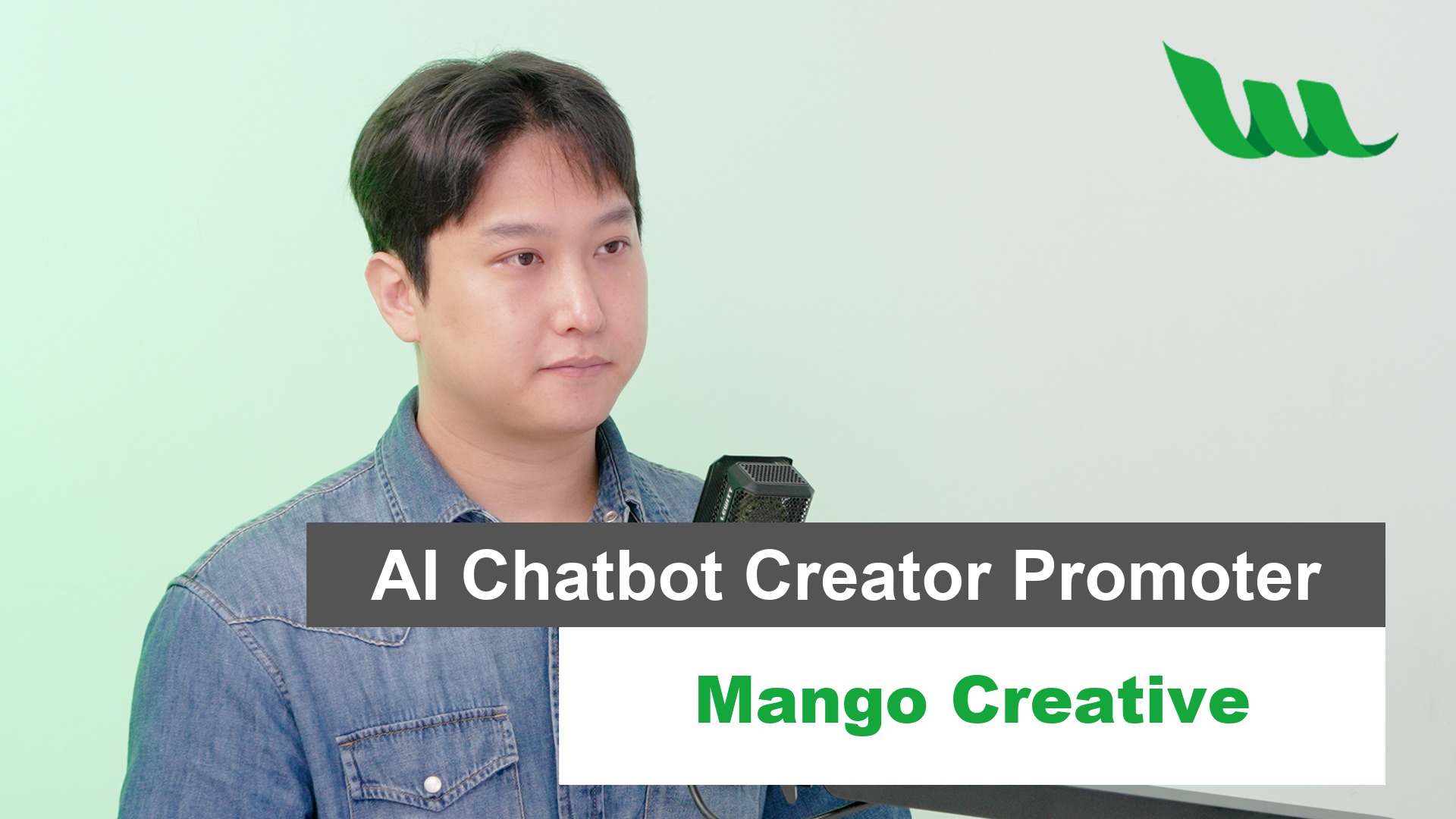
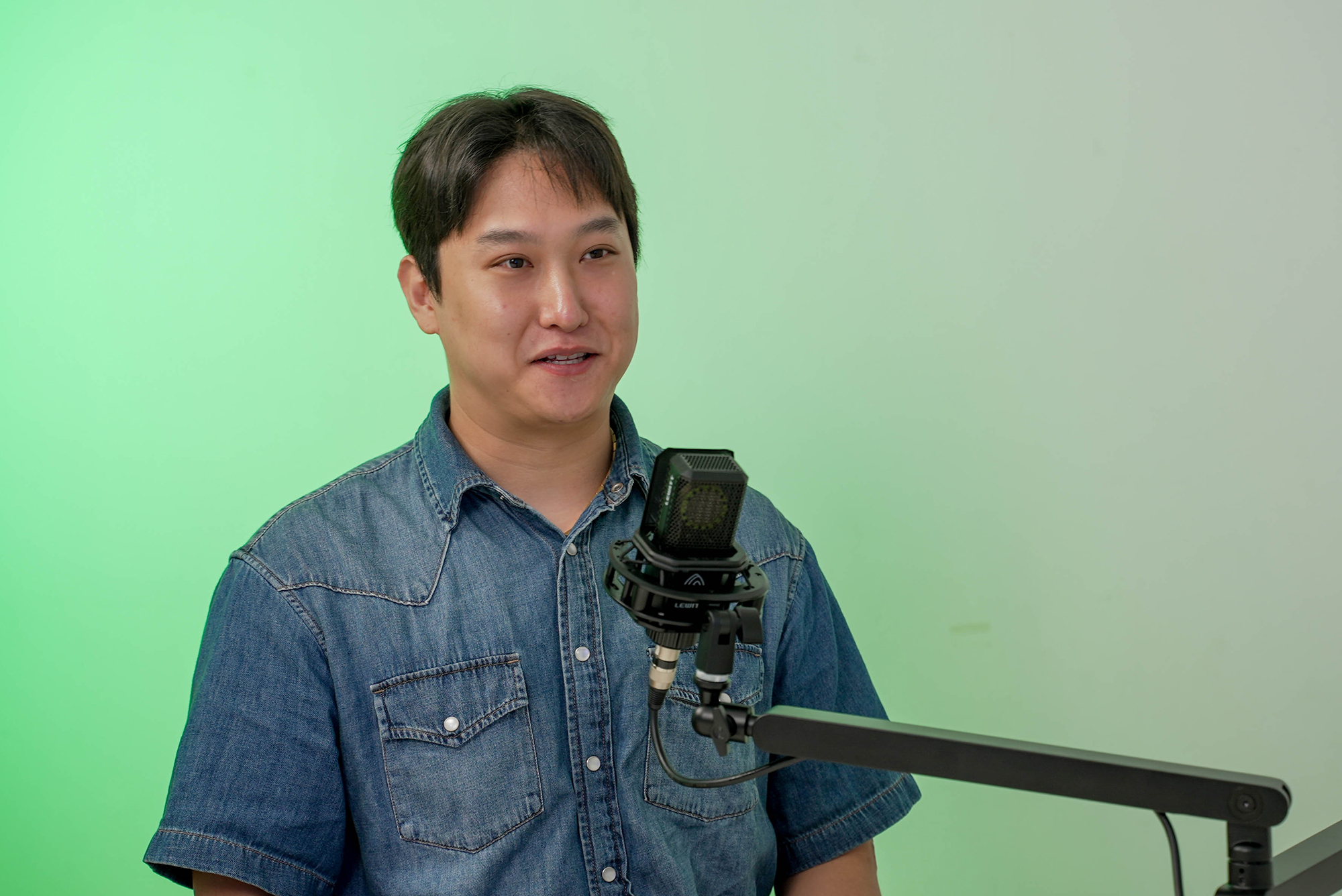
“We want to create an environment where good creators can grow even bigger,” said Kang-bin Kim, CEO of Mango Creative.
The AI character chat (companion) market, where users create and converse with their own characters, has grown rapidly in recent years both domestically and internationally. Overseas services have attracted large investments and acquisitions, while multiple platforms in Korea are intensifying competition.
The market is fundamentally a two-sided marketplace where creators who make characters and users who chat with those characters operate together. Because a user can easily become a creator at any moment, supply and demand reinforce each other. However, growth narratives have so far focused on demand-side metrics—how many users stay for how long—and platforms have concentrated resources on acquiring new users and securing established creators. Relatively little attention has been paid to building a creator-friendly environment that allows new talent to continuously emerge.
In practice, creating a character chat is more labor-intensive than it appears. Creators must move among separate tools for prompt design, worldbuilding notes, character image generation, and test conversations. Each time they switch tools, they have to re-enter the context of “this is the character I’m making” from scratch. If they want to port a finished character to another platform, they face repetitive reformatting and review work tailored to each platform’s different specifications. As a result, creators spend more time and energy on peripheral tasks than on the work itself.

Mango Creative identified this friction point. Rather than competing to lure established creators with better revenue splits, the company focused on building a creator-friendly environment that lowers barriers for new talent.
Kim Kang-bin entered the content market in 2019 by producing blog posts and running influencer seeding campaigns. He steadily expanded his business and incorporated Mango Creative in August 2023, building a stable revenue base through B2B marketing and influencer-matching services. When his work schedule left little time for friends, he found comfort in AI character chat as a user. As he grew familiar with chatting, he naturally wanted to create his own characters. Once he tried, he discovered that information and know-how were fragmented and the production workflow required jumping between multiple tools. Mango Creative’s AI character chat service, UUMMAI, was launched to solve this production friction.
Mango Creative is receiving support from the Pangyo Hub Value-up Package program operated by Gyeonggi Content Agency’s Pangyo Gyeonggi Culture Creation Hub. The program helps startups articulate their services and growth potential in the language investors understand.

What problem is Mango Creative solving?
Mango Creative recognized that while the AI character chat market has grown around consumers and platforms, the infrastructure to help creators grow has been lacking.
Creators manage prompts, worldbuilding, images, and testing in separate tools, and when porting a work to different platforms they must repeatedly modify and review it to match each platform’s different specifications.
I experienced this problem firsthand when I first tried to create a character. I designed the character on one platform, moved to another platform to take notes, then moved again to an image-generation tool. Each time, I had to re-enter the context of “this is what I’m working on” from the beginning. It felt similar to the frustration of explaining context from scratch to every new chat window in ChatGPT or Gemini.
In this structure, creators end up spending more energy on peripheral tasks than on their work. What we want to solve is not simply the inconvenience of tools, but the structure itself that makes it difficult for creators to grow into true creators with their own fan communities and IP value.
How are you solving that problem?
Mango Creative does not want to add another platform on top of creators. Instead, we aim to act as a promoter that helps creators focus on their work by supporting production, distribution, and growth.
We unify scattered production tools into a single studio and automate as much of the repetitive conversion and porting work across platforms as possible. In addition, we plan to connect data analysis, promotion, monetization, education, and mentoring to reduce creators’ operational burden.
Existing platforms do pay some attention to creator issues. However, competing with limited resources means most focus is on expanding the user base, and creator investment often takes the form of aggressive revenue-share hikes to attract creators who already have scale.
But this market is still in its early stage, and we see “local creators” emerging who generate one or two million chats even as beginners. We judged that we had no chance of winning a bidding war for established creators using the same tactics. Instead, we are combining the management know-how we accumulated with an integrated production workflow to discover and nurture these local creators. We believe that more good creators lead to more supply, and more supply brings more users.
What is Umai’s competitive advantage over rivals?
The biggest difference is our starting point. Mango Creative focused on the production environment from the beginning.
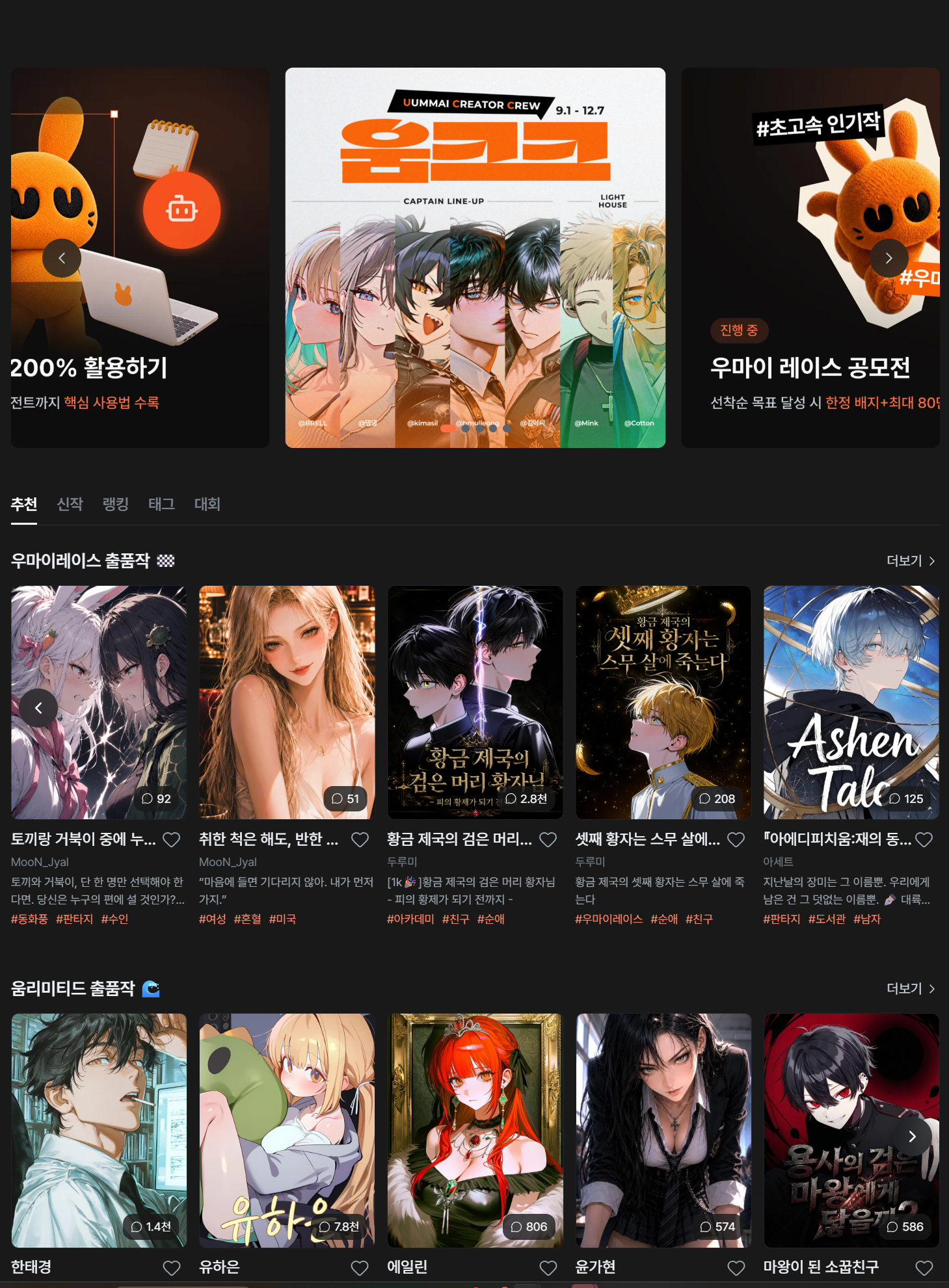
In fact, Umai launched with pure production features and no curation or browsing function for characters. After launch, users gave us a lot of feedback asking for a browsing feature, so we added distribution and consumption as the next step. Today’s structure integrates an AI production agent, a web editor, image hosting, and test chat around a single work data model, turning the entire production process into one workflow.
We confirmed the response to this approach in our first contest. When a new platform holds its first contest, about 100 to 120 entries are typical, but our UM·Limited 2026 Summer contest received approximately 395 entries. Most participants had been creating on other platforms and joined us by creating new characters in our studio or porting existing ones. We take it as a signal that Umai is perceived not just as “a place to consume” but as “a place to create.”
What is Umai’s current operating status, and what results have you achieved?
Umai is currently running as an open beta web service. We introduced payment features around mid-June, and in the two months since, we have grown to more than 5,000 users. We are consistently exceeding our internal KPIs, so we feel the response is explosive.
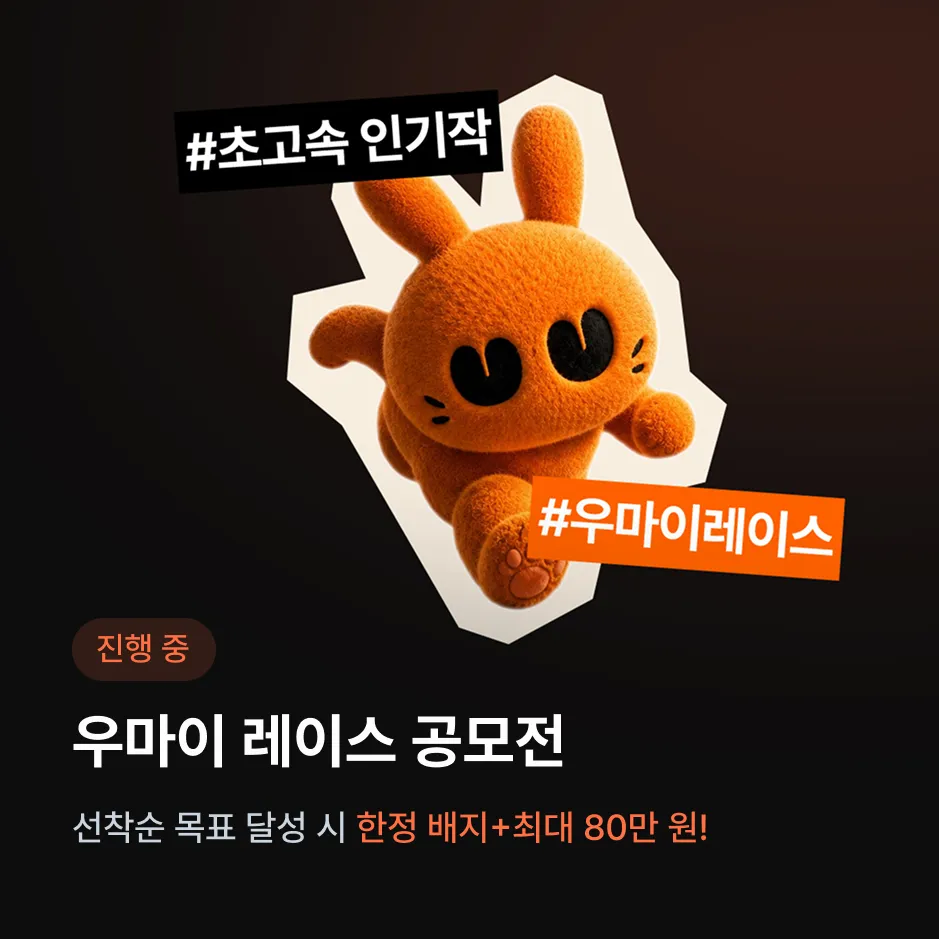
What is interesting is that we achieved this growth with almost no external marketing. We simply introduced Umai to relevant communities, saying “this is the service we offer,” and even that brought this level of user growth, which we view very positively internally.
On a daily basis, roughly 300 to 400 people are actively engaged in production. However, Umai does not draw a sharp line between creators and consumers; a consumer can press the creation button at any time and make a character, so it is hard to say exactly who is “only creating.” The number of public works has now exceeded 750, but just two months ago it was below 200. Demand grew rapidly as we ran contests and creator-development programs.
What is the Umai Creator Crew program for creators?
Mango Creative believes that insight exchange—where users share production know-how—is really important, so we launched an academy program called Umai Creator Crew (abbreviated “CrCr”). We first invited mentors, then recruited mentees, and together they go through the program and create works.
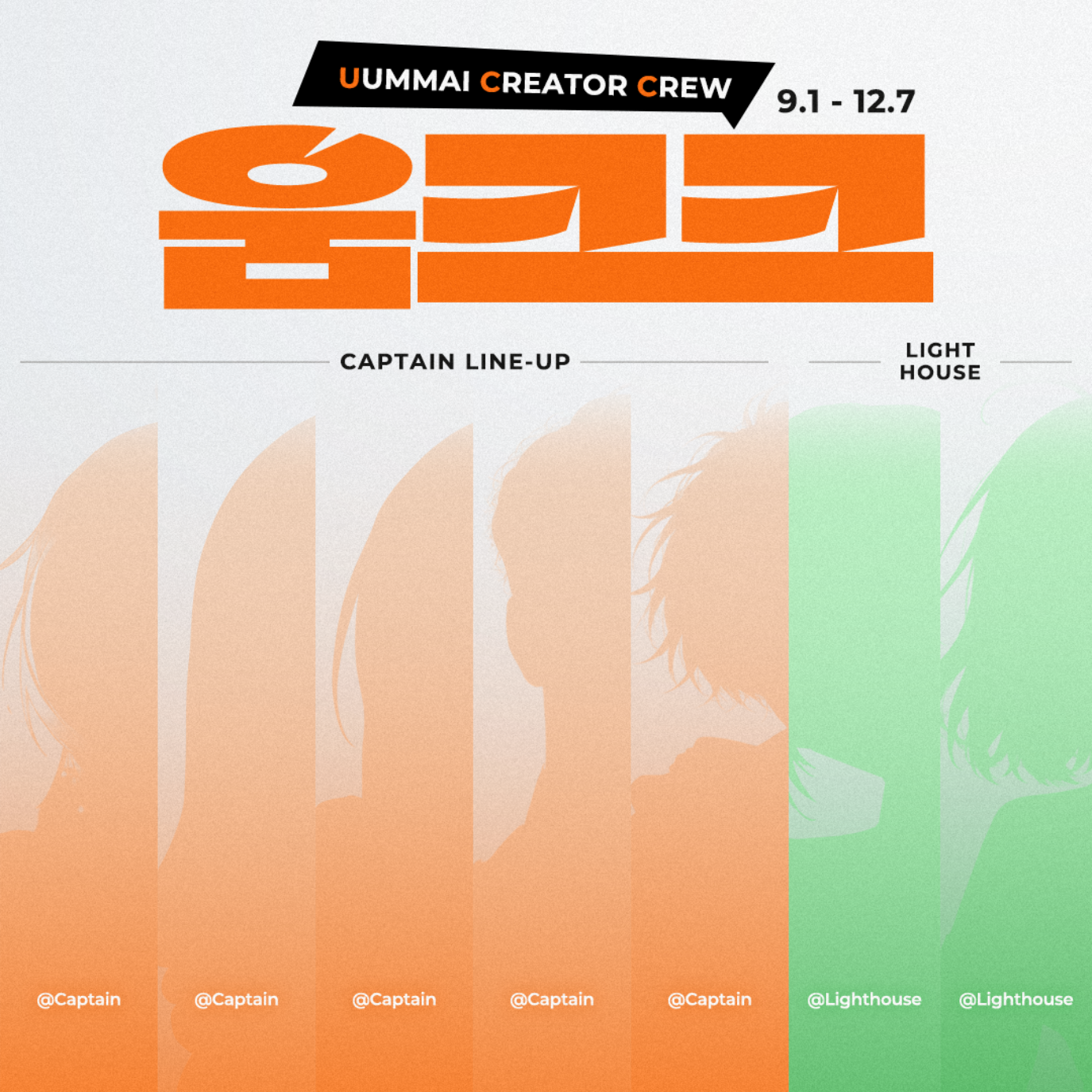
More than 180 people applied as mentees, but as the first cohort we selected only 15 to keep it small. We plan to expand this experience into cohorts two and three, building a track that continuously develops creators.
We announced mentor recruitment targeting creators who had achieved 100,000 to 200,000 chats or more on other platforms, but in fact many applicants exceeded even that threshold. We held meetings with almost all applicants, and many shared exactly the problems we identified in the market, which gave us confidence that this program would meet real needs. We also required mentors to create in our studio, and many still applied enthusiastically.
Going forward, we plan to expand the official-creator system beyond raising revenue shares to include reference curation for good works, fandom management, and discussion of marketing and advertising strategies—essentially taking on a manager role.
What is your business model?
Our core revenue model is currently AI chat usage fees charged on a pay-as-you-go basis. Users charge “carot” credits, select their preferred AI model, and use it, with carots deducted according to actual usage. A portion of usage revenue from a work is settled with the creator, creating a structure where platform growth and creator earnings rise together. We plan to add fixed-price subscription products to expand user choice.
If the current pay-as-you-go model allows flexible use according to AI model and usage volume, a fixed-price plan can be a more convenient option for light users who have relatively low usage or who want to predict costs and use the service casually. This will improve user convenience while also increasing the proportion of recurring-payment revenue. We also plan to expand revenue models for creators in stages.
We will continue to upgrade the production-convenience features we currently provide, and in the future we plan to develop them into subscription products that combine advanced production features and pass-type add-ons. In addition to charging general users for chats, we aim to provide additional value to creators who actively produce works, thereby raising revenue per user and diversifying our revenue structure.
How is your team composed?
As CEO, I directly oversee planning and operations across Umai and coordinate the service direction from both the creator and consumer perspectives. A planner handles overall service planning and consumer-facing business models, a CTO who has accumulated experience in AI from our existing business, and a front-end lead with extensive character-chat production experience are all part of the team. In addition, dedicated staff for prompt engineering and UX participate.
Currently I spend more than 80 percent of my working hours on Umai. Our existing AI and marketing business has an established client base and operating system, so I focus on key decisions, planning, and monitoring, while the company’s capabilities and my own work center are gradually shifting to Umai.
What kind of help are you receiving from Gyeonggi Content Agency (Pangyo Hub)?
Since last year, Mango Creative has been going through a transition period, investing revenue from our existing marketing business into the new AI character chat business and shifting the company’s center. In that sense, the Pangyo Hub Value-up Package is meaningful as the first opportunity to explain this transformation and growth potential to the investment market. We have no prior fundraising experience, and this is our first time participating in a Gyeonggi Content Agency program.
As a content business, we have high expectations of meeting investors who align with us, and sharing insights in the content and AI fields is also very helpful. I believe that although the webtoon and web-novel markets are much larger now, AI character content will follow as an important K-content format. I want to share this perspective with investors and actively use this program to prepare for a seed round in earnest during the second half of the year.
Why do you need investment?
Umai is already running an open beta service, and data continues to accumulate showing why focusing on the creator environment is important. We have already validated the market by self-funding from revenue generated by our core AI-based B2B services and marketing business. Without external investment or large-scale advertising, we grew our user base significantly in just two months after introducing payments, and we confirmed creator-side needs through the scale of contest and mentoring-program applications.
What we need now is not capital to test a new hypothesis for the first time, but growth capital to rapidly scale the already-confirmed market response and creator network. We plan to focus investment on enhancing product competitiveness through production automation and long-term memory features, while simultaneously expanding the structure for discovering, nurturing, and promoting promising creators. We see this as the point where serious boosting for competition is required.
What kind of company do you want to become?
I believe AI character chat can grow into a new K-content format that follows webtoons and web novels. In the webtoon industry’s growth, what ultimately mattered was not the platform itself but an ecosystem where good creators could continuously emerge and grow.
Rather than simply growing one AI character chat platform, I want to create a pathway for someone who makes characters as a hobby to become a professional creator with a fandom and IP. That is why we have directly operated contests, creator-development programs, transparent settlements, and promotions from the beginning.
Ultimately, we want to become a representative case that successfully built an “AI character chat creator ecosystem” within the Gyeonggi content ecosystem.
MORE FROM THE POST
- [Korean Startup Interview] Studio AIM: A Mid-Form OTT Where AI Creators Get Paid
- [Korean Startup Interview] ShortFlow Wants to Become the ‘Alibaba of Short-Drama IP’ Trading
- [Korean Startup Interview] f862: Bridging Film and AI to Unlock Hidden Video Content
- [Korean Startup Interview] Haniverse: Building an Emotional Universe Through AI Miniature Content
- [Korean Startup Interview] Double Zero’s Shoty: Innovating Production Content Creation with AI
Share

Most Read
- 1
- 2
- 3
- 4
- 5

Leave a Reply